Exam pressure at an early age, can negatively affect confidence, curiosity, and emotional regulation. An exam-free environment at CIS supports healthy brain growth and long-term learning capacity.
Traditional exams often encourage performance-based identity (“I got 90%”) or (“I failed”), while continuous assessment at CIS encourages improvement-based identity (“I am growing”).
Research in neuroscience shows that early childhood (ages 3–8) is a critical period for brain development. Young children learn best through play, emotional safety, and hands-on experiences, not through academic pressure or testing.
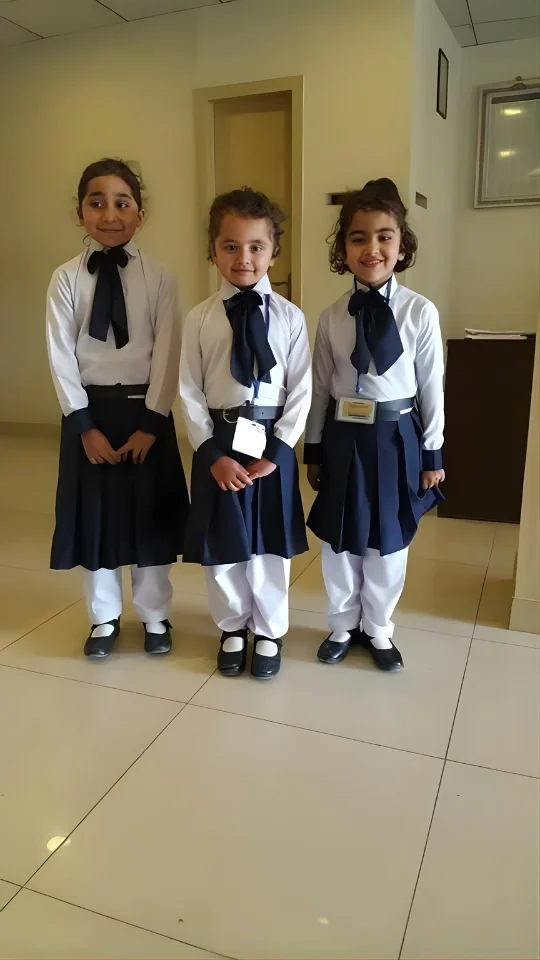
At our exam-less school, we use Classometry as an innovative student evaluation system. Instead of relying on traditional exams and rote memorization, Classometry measures real understanding, practical skills, creativity, and character development. Students are assessed through:
We are also introducing practical and future-focused skills into our curriculum. Students will learn graphic design, video editing, coding, and Canva proficiency. They will explore AI tools like ChatGPT, learn how to learn using AI, and even practice conversational skills through guided interactions. We are also teaching interview skills (both taking and giving interviews), public speaking inspired by TEDx formats, and real-world problem-solving abilities.
Alongside technology, we focus on personal growth through yoga, meditation, ethics, and character development. Our aim is to grow our students not just academically, but as confident, thoughtful, and capable individuals ready for the real world Children who enjoy learning in early years are more likely to become self-motivated learners later. The CIS Classometry Model is not a removal of assessment, it is an evolution of assessment.